
Change is inevitable in business. Whether it’s adopting new technology, shifting market strategies, or improving processes, every organization must evolve to stay relevant. Yet, how we approach change makes all the difference.
Two dominant models are often used:
The Plan & Execute Model
The Test & Learn Model
Plan & Execute Model: The Conventional Approach
Most businesses naturally lean toward the Plan & Execute model. It’s structured, familiar, and feels safe. Here’s how it works:
- Spend time finding solution to a problem, then crafting a detailed plan, often involving lengthy analysis, workshops, and multiple approvals.
- Once the plan is finalized, execute it systematically.
- Measure the outcome after full implementation.
This model offers a sense of control and predictability. However, it comes with significant drawbacks: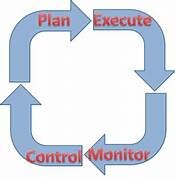
• Long time-to-market — by the time the plan is ready, situations / conditions
might have changed.
• High upfront costs in time, effort, and resources.
• Risk of missing the mark if assumptions in the plan are flawed.
• Poor adaptability to unexpected challenges.
It’s the go-to method because it feels safe: decisions are made with certainty, and risks seem minimized on paper.
Test & Learn Model: The Agile Challenger
Fewer organizations adopt the Test & Learn model, and those that do tend to outperform their peers. Why? Because it embraces uncertainty and experimentation as a strength.
Here’s the process:
- Start with a small-scale hypothesis or idea based on an initial insight.
- Test it in the real world with minimal investment.
- Learn from the results, refine the approach, and scale what works.
This method is inherently agile. It allows businesses to:
• Quickly pivot if something doesn’t work.
• Minimize wasted effort by validating ideas early.
• Stay aligned with real market dynamics instead of assumptions.
• Foster a culture of learning and continuous improvement.
For example, instead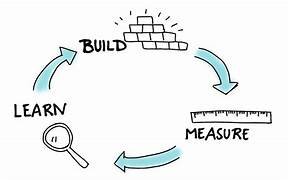 of launching a full-blown digital marketing strategy all at once, a company could run small ad campaigns targeting select demographics, analyzing engagement, and optimize accordingly.
Why Test & Learn Wins in a Fast-Paced World
The Plan & Execute model is tempting because of its structured approach, but in today’s dynamic business environment, flexibility is key. The Test & Learn model thrives on adaptability, enabling businesses to innovate faster, learn from failure without major losses, and continuously evolve.
Business leaders should cultivate a mindset of curiosity and experimentation.
Instead of fearing change, view it as an opportunity to learn.
Start small, test often, learn fast, and scale what works.
Conclusion:
The future belongs to those who dare to test and learn — not those stuck endlessly planning.